Papillon Dog Watercolor: A Stitch-Out Review
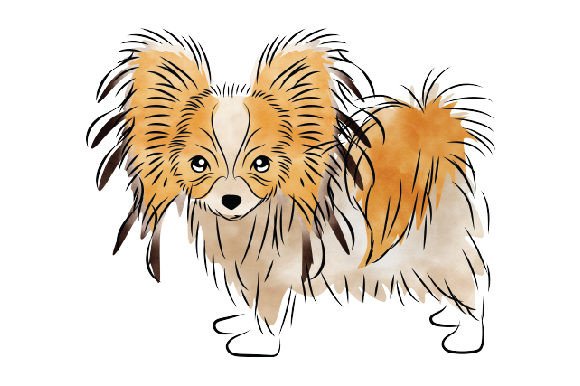
When evaluating a new machine embroidery design for professional use, my first question is always about translation. Will this digital artwork actually read as a watercolor painting once thread hits fabric? With the Papillon Dog - Realistic Watercolor , Full Body design, the answer requires a nuanced understanding of both the breed’s delicate features and the technical demands of simulating paint with stitches. As a designer who regularly creates custom apparel and personalized gifts for pet owners, I approached this file not just as art, but as a production asset that needs to perform across various textiles and hoop sizes.
Capturing the Papillon’s Delicate Silhouette
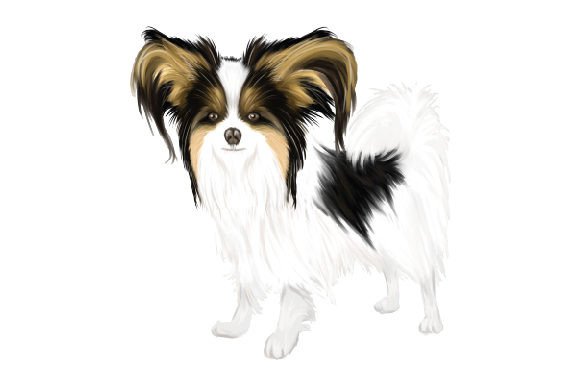
The Papillon is a breed defined by fine lines and dramatic ear fringing, making it one of the more challenging subjects for realistic embroidery. My initial assessment of this full-body composition focused heavily on how the digitizer handled those signature butterfly ears. In many dog designs, intricate fur details get lost in excessive stitch density, resulting in a stiff, bulletproof patch. However, this design appears to utilize a strategic blend of fill stitch and running stitch to create texture without overwhelming the base fabric.
For my current project—a custom embroidered tote bag for a client whose Papillon recently passed away—the emotional weight of the piece demanded accuracy. The mood of this design is gentle and commemorative rather than cartoonish or overly stylized. The full-body stance provides a complete portrait that works beautifully as a standalone centerpiece on a tote bag design or sweatshirt embroidery. It avoids the common pitfall of floating head syndrome, grounding the dog in a way that feels natural and respectful, which is essential when creating memorial items or high-end boutique products.
Real-World Application: Tote Bags and Apparel
I tested this embroidery file on a medium-weight canvas tote, a staple in my small shop product lineup. Canvas can be unforgiving with detailed watercolor styles because the weave competes with fine thread work. Here, the stitch density seemed well-calibrated. The transitions between light and shadow relied on thread color blending rather than heavy layering, which kept the fabric from puckering. This is critical for commercial embroidery where finish quality dictates customer trust and perceived value.
For apparel decorators considering this for sweatshirts or t-shirts, the full-body aspect ratio offers excellent placement versatility. Unlike circular or square portraits, the verticality of a standing Papillon allows for creative positioning along a sleeve, centered on a chest yoke, or placed low on a hip. When preparing custom apparel, I found the design’s visual personality strong enough to carry a garment without needing excessive text or additional clipart. For Etsy sellers, this means less time composing layouts and more focus on showcasing the embroidery itself in printable mockups and listing photos.
Fabric Considerations and Stabilizer Strategy
While the design performed admirably on canvas, crafters must exercise caution with other substrates. Watercolor-style machine embroidery designs inherently require higher stitch counts to achieve gradient effects. On thin fabrics like quilting cotton or lightweight linen, you absolutely cannot skip proper stabilizer. I recommend a medium-weight cutaway for permanent support on baby embroidery or nursery decor to prevent distortion over time. For stretchy knits used in holiday embroidery or casual wear, a fusible mesh backing is non-negotiable to maintain the integrity of those fine leg and tail details.
Dark fabrics present another challenge. Watercolor aesthetics rely on light passing through translucent layers, an effect that disappears on navy or black backgrounds. If you plan to use this design on dark garments, test a white underlay first or consider limiting its use to light-colored bases where the thread colors can truly mimic painted transparency. Always verify your hoop size before committing; the full-body nature of this design likely requires a larger field than standard 4x4 hoops, and resizing down too aggressively will destroy the subtle shading that defines the style.
Commercial Viability for Makers and Sellers
For creative entrepreneurs and handmade shop owners, the value of a digital embroidery file lies in its repeatability and market appeal. This Papillon design hits a sweet spot for the pet niche. It is specific enough to attract dedicated breed enthusiasts yet artistically rendered enough to appeal to general dog lovers. In my experience, realistic watercolor styles command higher price points than simple outline or applique design alternatives because customers perceive them as premium art.
However, business owners must verify licensing terms before selling finished products or using the design in digital product previews. Never assume a purchase includes commercial rights for unlimited reproduction or digital resale. Check the designer’s specific terms regarding small business merchandise and craft fair products. Additionally, if you are selling personalized gifts, ensure you have a streamlined process for color matching. Since this design relies on specific thread colors for its watercolor effect, substituting threads without testing can alter the breed recognition significantly. A Papillon’s markings are precise; shifting from warm tan to cool brown might make it look like a different breed entirely.
Technical Notes for Successful Stitch-Outs
Before running this design on a final product, treat your test stitch-out as a mandatory quality control step. Here are practical notes from my evaluation:
- Thread Color Contrast: Verify your thread palette against the design sheet. Watercolor effects fail when adjacent shades lack sufficient contrast. Test in natural lighting, not just under machine LEDs.
- Detail Inspection: Zoom in on the facial features and paw definitions in your embroidery software. Ensure no jump stitches cross over critical areas like eyes or nose highlights that could snag during use or washing.
- Stitch Density Check: Run a finger over your test sample. If it feels rigid or cardboard-like, reduce density or switch to a lighter stabilizer. A handmade product should feel soft and integrated with the fabric.
- Mockup Testing: Create black and white versions of your mockups to check value contrast. If the dog disappears in grayscale, it may lack definition on certain fabric textures or in dim photography conditions.
- Wash Testing: For items like kitchen towels or baby clothes that face frequent laundering, wash your test sample three times. Watercolor fills can sometimes shift or gap after repeated cycles if not properly stabilized.
Elevating Brand Consistency and Giftability
Ultimately, the Papillon Dog - Realistic Watercolor , Full Body design serves as more than just a pretty picture; it functions as a brand signal. Using consistently high-quality, artistically coherent design assets helps establish professionalism across your Etsy listings or boutique branding. Customers recognize makers who curate superior files versus those who grab generic clipart. When a client commissions a personalized gift featuring their beloved pet, they are buying recognition and emotional connection. This design delivers that connection through thoughtful digitizing that respects both the medium of embroidery and the subject matter.
Whether you are producing holiday embroidery for seasonal markets, creating memorial pieces, or expanding your digital product catalog, approach this file with technical respect. Test thoroughly, stabilize appropriately, and honor the complexity of the watercolor style. When executed correctly, this Papillon design transforms from a digital file into a cherished finished product that celebrates both canine beauty and embroidery craftsmanship.