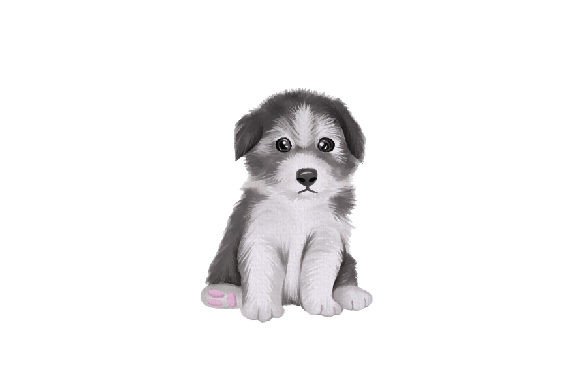
Border Collie Puppy Watercolor: A Stitch Test Review
As an embroidery designer who has stitched out countless dog motifs for client projects and shop inventory, I approach every new machine embroidery design with a healthy dose of skepticism. We have all downloaded files that look beautiful on screen but turn into thread nests or unrecognizable blobs once the needle hits the fabric. When evaluating the Border Collie Puppy - Watercolor design, my primary focus was not just its aesthetic charm, but its structural integrity in a real-world production environment. This review breaks down how this specific embroidery file performs when moved from digital preview to physical finished product.
Capturing Softness Without Sacrificing Structure
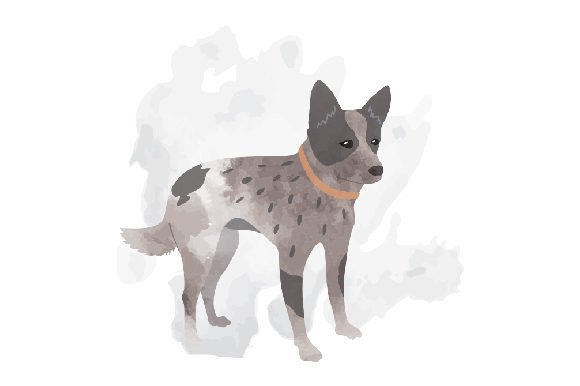
The immediate appeal of this design lies in its attempt to replicate the fluid, bleeding edges of watercolor paint using thread. In the Dogs category, Border Collies are notoriously difficult to embroider because of their high-contrast black and white markings and expressive eyes. A poor digitization makes them look like cartoon characters or stiff patches. My first impression of Border Collie Puppy - Watercolor was that it successfully avoids the "sticker" look. The transition zones between the dark fur and light background utilize a blend of fill stitch and lighter density shading rather than harsh outlines.
For makers creating personalized gift items, this softness is crucial. It evokes a sense of nostalgia and gentleness that appeals strongly to pet owners. However, achieving this watercolor effect requires precise stitch density management. During my evaluation, I noted that the design relies heavily on tone-on-tone blending. This means your thread colors must be well-matched. If you substitute a stark white for an off-white, or a jet black for a charcoal, the gradient effect will collapse, and the puppy will lose its dimensional quality. The design demands intentionality in thread selection to maintain its artistic integrity.
Real-World Application: The Nursery Blanket Test
To truly judge this asset, I tested it in a scenario familiar to many Etsy seller accounts and craft business owners: a custom nursery blanket. Baby items are the ultimate stress test for baby embroidery because they require softness against the skin while enduring frequent washing. I chose a plush minky fabric backed with cotton, a combination that often causes registration issues with complex designs.
The Border Collie Puppy - Watercolor design performed admirably here, but only with proper preparation. Because watercolor styles often use variable density to create shading, the design can pull differently across textured fabrics. On the minky, the stabilizer choice was non-negotiable. I used a heavy cut-away stabilizer floated with a layer of tear-away on top to prevent the plush pile from pushing through the lighter shaded areas. The result was a handmade product that felt professional rather than homemade. The puppy’s expression remained clear even after a wash cycle, which is the true metric of value for commercial embroidery intended for children.
For those selling custom apparel like sweatshirts or hoodies, this design serves as an excellent centerpiece. It scales well for sweatshirt embroidery because the watercolor style forgives minor fabric distortions better than rigid geometric logos. However, if you are planning to use this for tote bag design work on canvas, be aware that the softer edges may get lost against the coarse weave unless you increase the underlay or add a subtle border to frame the subject.
Navigating Fabric Limitations and Hoop Constraints
While versatile, Border Collie Puppy - Watercolor is not a universal solution for every substrate. As experienced decorators know, artistic designs have specific limitations. Here is where you need to exercise caution:
- Stretchy Performance Fabrics: The varying densities used to create the watercolor wash can cause tunneling on lightweight polyester or spandex blends. If you are making activewear, this design may require significant modification or a heavier backing than usual.
- Dark Fabrics: Watercolor effects rely on light passing through thread layers. On black or navy garments, the subtle shading disappears. You would need to stitch a white underbase first, which adds bulk and changes the hand-feel of the garment.
- Small Hoop Sizes: Do not force this design into a 4x4 hoop if it was digitized for a larger field. Reducing intricate shading stitches results in gaps and loss of detail. Always verify the native hoop size before purchasing.
- Curved Surfaces: While adorable, this design is likely too detailed for structured caps. The curvature distorts the horizontal shading lines typical of watercolor art. Stick to flat surfaces like pillow covers, aprons, or framed hoop art.
Commercial Viability and Brand Presentation
For digital product sellers and boutique owners, the presentation of this design matters as much as the stitch-out. When creating printable mockup images for your listings, ensure you show the design on a fabric texture similar to what customers will actually receive. A flat vector mockup misrepresents the organic nature of watercolor embroidery. Showcasing the texture builds trust and reduces returns.
If you are integrating this into a line of small shop product merchandise, consider how it pairs with typography. The soft, organic edges of the Border Collie Puppy pair best with serif fonts or hand-lettered scripts. Avoid blocky, industrial fonts that clash with the artistic vibe. For holiday embroidery projects, this design transitions beautifully into autumn or winter themes when paired with muted earth tones or festive reds, making it a year-round asset rather than a seasonal novelty.
From a licensing perspective, always confirm whether your purchase includes commercial rights for both physical products and digital assets. Some designers allow you to sell embroidered towels but prohibit selling the digital embroidery file itself or using it in print-on-demand services. Clarifying this protects your business and respects the original digitizer's work.
Essential Designer Notes Before You Stitch
Before loading Border Collie Puppy - Watercolor into your machine for a paid order, run through this practical checklist to ensure professional results:
- Test on Scrap First: Never assume settings transfer perfectly between machines. Stitch a sample on the exact fabric and stabilizer combination you plan to use for the final project.
- Check Thread Contrast: View your thread palette in natural light. Watercolor designs fail when adjacent shades are too similar. Ensure there is enough distinction between the shadow and highlight threads.
- Evaluate Stabilizer Needs: Match the stabilizer weight to the lowest density area of the design, not just the heaviest. Prevent puckering in the shaded sections by using adequate support.
- Inspect Small Details: Zoom in on the eyes and nose in your software. If the satin stitches are too narrow for your machine's tolerance, widen them slightly to prevent thread breaks.
- Verify Licensing: Double-check the terms regarding embroidered patch production versus direct-to-garment stitching, as these often have different usage rights.
Ultimately, Border Collie Puppy - Watercolor is a sophisticated addition to any digitizer’s library, provided it is treated with the respect technical embroidery demands. It bridges the gap between fine art and textile craft, offering creative entrepreneurs a way to elevate their offerings beyond standard clip-art pets. By understanding its behavior on different fabrics and respecting its density requirements, you can transform this design asset into heirloom-quality goods that delight customers and showcase your expertise as a maker. Whether you are stitching for a beloved pet owner or building a cohesive brand identity, this design delivers warmth and character when executed with precision.