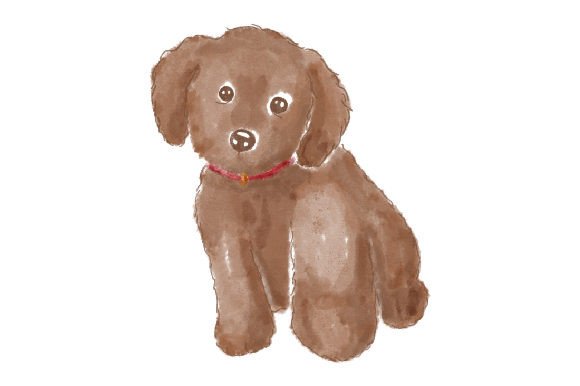
Mini Brown Poodle Watercolor Art for Dogs Content
As a digital publisher and blog designer, I constantly evaluate graphic design assets not just for their aesthetic appeal, but for their functional utility in a real content workflow. When reviewing the Mini Brown Poodle - Watercolor asset, my first impression is one of sophisticated warmth. Unlike generic clip art or sterile stock photography, this watercolor illustration carries an organic texture that immediately signals artisanal quality. For publishers in the pet niche, specifically those focusing on Dogs, this asset bridges the gap between playful subject matter and high-end editorial design. It evokes a mood that is simultaneously nostalgic and modern, making it exceptionally versatile for lifestyle blogging, boutique pet branding, and educational content regarding specific breeds.
The visual weight of this Mini Brown Poodle - Watercolor piece is balanced perfectly for web design. The soft edges inherent to the watercolor medium prevent the image from feeling too rigid against clean white backgrounds or pastel color blocks often found in feminine or wellness-adjacent pet blogs. From an editorial standpoint, it creates an immediate emotional connection with the reader before they even engage with the headline. This is crucial for reducing bounce rates; when a visitor lands on a page and sees a polished, intentional illustration rather than a low-resolution photo, trust is established instantly. The asset feels curated, suggesting that the accompanying content has been equally cared for.
Strategic Applications in Editorial and Affiliate Workflows
In my daily publishing workflow, versatility is the primary metric for acquiring new design assets. The Mini Brown Poodle - Watercolor illustration serves multiple distinct functions across a content ecosystem. As a featured image for blog graphics, it provides ample negative space for overlaying headlines without obscuring the subject. This is vital for maintaining visual hierarchy. When creating Pinterest pin templates, the vertical orientation of many watercolor illustrations allows for seamless integration into 2:3 aspect ratio canvases. I have found that illustrated pins often outperform photographic ones in the pet niche because they stand out in a feed saturated with similar dog photos.
Beyond standard blog posts, this asset is a powerhouse for digital product creation. If you are developing a lead magnet, such as a "Puppy Training Checklist" or a "Grooming Guide for Poodles," this illustration elevates the perceived value of the freebie. It transforms a simple PDF into a branded resource that users want to save and share. For affiliate marketers promoting pet supplies, using this Mini Brown Poodle - Watercolor graphic in comparison charts or product roundups adds a layer of custom branding that generic manufacturer photos lack. It softens the commercial intent of the page while keeping the user engaged with relevant, attractive visuals. Furthermore, for creators selling Canva template packs or printable design resources, including this style of artwork demonstrates current market trends and appeals to buyers looking for cohesive, ready-to-use aesthetic elements.
Enhancing Brand Identity and Reader Trust Through Visuals
Consistency is the bedrock of small business branding and successful content marketing. Integrating the Mini Brown Poodle - Watercolor asset into your visual system helps anchor your brand identity. When readers see this specific artistic style repeated across your website header, newsletter banners, and social media graphics, it reinforces recognition. Watercolor, by nature, implies a human touch. In an era of AI-generated content and automated publishing, leveraging hand-painted aesthetics signals authenticity. This is particularly effective for bloggers building a personal brand around their love for Dogs. The art acts as a visual signature, distinguishing your platform from larger, more corporate competitors.
From a performance perspective, this asset supports better click-through potential. In email marketing, where inbox competition is fierce, a beautifully rendered poodle illustration in a newsletter header can increase open rates by sparking curiosity and delight. On the website itself, using this graphic as a category thumbnail for breed-specific articles improves navigation UX. Users can visually scan for content faster than reading text links alone. The professional polish of the watercolor style also mitigates the risk of the site looking amateurish, which is a common pitfall for new affiliate sites. By investing in high-quality creative design assets like this, publishers signal authority and expertise, directly influencing reader trust and eventual conversion.
Placement Strategy: Maximizing Impact While Avoiding Pitfalls
While the Mini Brown Poodle - Watercolor is a robust asset, strategic placement is key to its success. It shines brightest in hero images, article thumbnails, and decorative accents within long-form content. It works beautifully alongside serif fonts for a classic editorial look or paired with handwritten scripts for a journal-style aesthetic. However, publishers must exercise caution in certain contexts. Avoid using this detailed illustration as a tiny mobile thumbnail where the intricate brushwork may blur into indistinct shapes. Similarly, be wary of placing it against busy, patterned backgrounds; the organic texture of watercolor needs breathing room to remain legible.
For serious veterinary or medical content, assess whether the whimsical nature of the watercolor aligns with the tone of the article. While excellent for lifestyle and care tips, it might undermine the gravity of emergency health advice. Additionally, ensure sufficient contrast if overlaying text. Watercolors often have variable opacity, so always test readability. If the background is too textured, use a solid color block behind your typography to maintain accessibility standards. This attention to detail separates professional web design from hobbyist efforts.
Technical Pre-Flight Checks for Digital Publishers
Before deploying the Mini Brown Poodle - Watercolor asset to a live production environment, I recommend a rigorous testing protocol. First, verify the commercial license. If you are monetizing through ads, affiliate links, or paid digital downloads, you must confirm that your usage rights cover these activities. Never assume a digital download is free for commercial use; protecting your business from legal issues is paramount.
- Screen Testing: Preview the asset on both desktop monitors and mobile devices. Ensure the focal point remains clear at smaller sizes.
- Typography Pairing: Test the illustration beside your site’s primary heading and body fonts. Adjust kerning and line height to ensure the text complements rather than competes with the art.
- File Optimization: Watercolor files can be large due to complex color data. Compress images properly using modern formats like WebP to maintain fast load speeds without sacrificing visual fidelity.
- Grayscale Check: View the asset in black and white to ensure tonal contrast holds up for accessibility and print applications.
- Contextual Mockups: Place the graphic inside a real blog layout or newsletter template before finalizing. Seeing it in situ reveals spacing issues that isolated previews miss.
By treating the Mini Brown Poodle - Watercolor not just as a pretty picture, but as a strategic component of your publishing infrastructure, you unlock its full potential. Whether used to enhance a digital guide, beautify a website header, or strengthen social media graphics, this asset offers a blend of charm and professionalism that resonates deeply with audiences in the dog niche. Thoughtful implementation ensures that every pixel contributes to your broader goals of engagement, trust, and growth.