Oh Baby, I Love You: Memphis Style Review
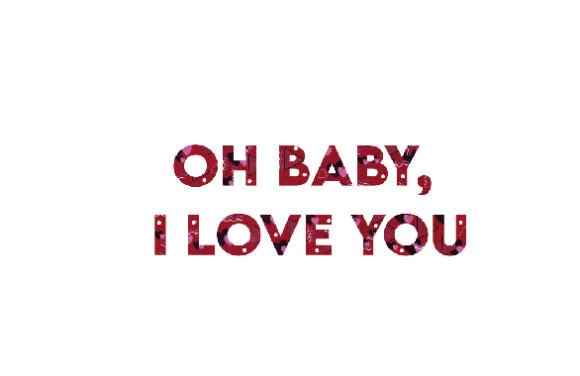
When evaluating a new machine embroidery design for my shop, I look past the digital preview and immediately imagine how it will behave under the needle. The "Oh Baby, I Love You - Memphis Style, Watercolor" design caught my eye because it bridges two very different aesthetics: the bold, geometric playfulness of Memphis design and the soft, organic feel of watercolor art. As a designer who creates both custom apparel and nursery items, I needed to know if this hybrid style would translate into a high-quality finished product or if the complexity would cause registration issues on fabric.
My first impression was that this design has significant personality. It avoids the overly saccharine look typical of some Valentine’s Day assets while still retaining warmth. The layout feels balanced, suggesting it could work beautifully as a centerpiece for a sweatshirt embroidery project or a focal point on a nursery pillow. However, combining simulated watercolor effects with Memphis-style graphics requires careful consideration of stitch density and fabric choice to ensure the final result looks intentional rather than muddy.
Real-World Application: Stitching a Custom Tote Bag
To truly test this embroidery file, I decided to stitch it out on a natural cotton canvas tote bag design. Canvas is unforgiving; it shows every tension issue and registration error. I chose this project because tote bags are a staple for Etsy seller inventory and make excellent personalized gift items for new parents or baby showers.
During the stitching process, I paid close attention to how the watercolor effect was achieved. In machine embroidery, simulating paint usually involves varying thread colors and using specific fill stitches with lower density to allow the fabric texture to show through. This design handled that transition well. The Memphis elements provided necessary structure, acting as an anchor for the softer watercolor fills. On the canvas, the contrast between the bold graphic lines and the shaded areas created a professional, boutique-level appearance. For a craft business owner, this level of visual interest justifies a higher price point compared to standard flat-fill designs.
Fabric Compatibility and Stabilizer Strategy
While the tote bag test was successful, this design demands respect regarding material selection. Because of the watercolor simulation, you must be cautious when using textured fabrics like terry cloth or heavy linen. The texture can compete with the delicate shading in the design, making the watercolor effect look noisy. I recommend smooth, tight-weave fabrics for the best clarity. If you are planning baby embroidery on ribbed knits or minky, test extensively first. The pile of these fabrics can swallow fine details.
Stabilizer choice is non-negotiable here. For stretchy fabrics used in custom apparel, use a high-quality cut-away stabilizer to prevent the Memphis outlines from distorting away from the watercolor fills during wear and washing. If you are hooping loosely woven fabric for a tea towel or pillow cover, consider adding a lightweight topping to keep the stitches crisp. Always verify your hoop size before purchasing; this design likely requires adequate space to maintain the integrity of the watercolor gradients without excessive repositioning.
Commercial Viability for Makers and Sellers
For those running a small shop product line or selling on platforms like Etsy, versatility is key. This design performs exceptionally well across multiple categories. Beyond the obvious Valentine's Day applications, the "Oh Baby" phrasing makes it evergreen for maternity and newborn markets. I can easily envision this as an embroidered patch for denim jackets or as a chest logo on a boutique-branded apron.
The aesthetic also lends itself to creating cohesive collections. Because Memphis style relies on recurring shapes and colors, you can pair this design with other geometric assets to build brand consistency. When creating a printable mockup for digital listings, ensure your photography captures the sheen and texture of the thread. Watercolor-style embroidery often looks different in person than on screen due to light reflection on rayon or polyester threads. Showing close-ups of the stitch texture builds customer trust and reduces returns.
Navigating Technical Constraints
There are specific scenarios where I would advise caution. Avoid resizing this design significantly smaller than its original dimensions. Watercolor effects rely on specific stitch lengths and spacing; shrinking the design compresses these stitches, potentially causing thread breaks or a stiff, bulletproof patch of embroidery. Similarly, enlarging it too much may reveal gaps in the fill stitches that were intended to mimic paper grain.
Be mindful of dark fabrics. Unless the design includes a white underlay or base layer specifically digitized for dark garments, the watercolor shading may get lost against black or navy material. Always run a test stitch-out on a scrap of your actual project fabric. Check the digital embroidery file properties to confirm if it includes color stops for blending or if it is a single-color outline suitable for applique design variations. Understanding the construction saves time and prevents wasted blanks.
Designer Notes for Professional Results
If you are integrating "Oh Baby, I Love You - Memphis Style, Watercolor" into your production workflow, keep these practical tips in mind:
- Thread Contrast: Verify that your thread palette matches the digital preview. Watercolor styles often require variegated threads or multiple shade changes. Using a single solid color for a shaded area will flatten the design completely.
- Wash Testing: Before selling holiday embroidery or baby items, wash your test sample. Simulated painterly stitches can sometimes pull or fray faster than standard satin or fill stitches. Ensure the stitch density holds up to laundering.
- Licensing Check: Always review the license terms included with the design assets. Confirm whether you have rights for commercial use on physical products versus digital distribution. Protecting your business means respecting intellectual property.
- Mockup Accuracy: When listing this as a handmade product, avoid using generic vector mockups. Customers buying watercolor-style embroidery expect to see actual stitch texture. A photo of a real sample sells better than a perfect digital rendering.
- Needle Selection: For detailed Memphis lines, a sharp needle (like a 75/11) often provides cleaner penetration than a universal needle, especially on tightly woven cottons used for quilting or home decor.
Ultimately, "Oh Baby, I Love You - Memphis Style, Watercolor" is a strong contender for makers looking to elevate their Valentine’s Day or baby gear offerings. It offers a fresh alternative to traditional hearts and script fonts, providing a modern, artistic vibe that appeals to contemporary buyers. By respecting the technical requirements of simulated watercolor embroidery and choosing your substrates wisely, you can turn this digital file into a profitable, professional-grade product that stands out in a crowded marketplace.