Happy Love Day Watercolor: An Embroidery Review
As a professional embroidery designer and product reviewer, I approach every new machine embroidery design with a critical eye. It is not enough for a digital file to look pretty on a screen; it must translate into thread, texture, and tangible value. When evaluating the "Happy Love Day, Watercolor" design, my primary focus is how this artistic style performs under the needle and whether it serves the practical needs of makers, Etsy sellers, and small business owners preparing for Valentine’s Day or year-round romantic gifting.
First Impressions and Artistic Translation
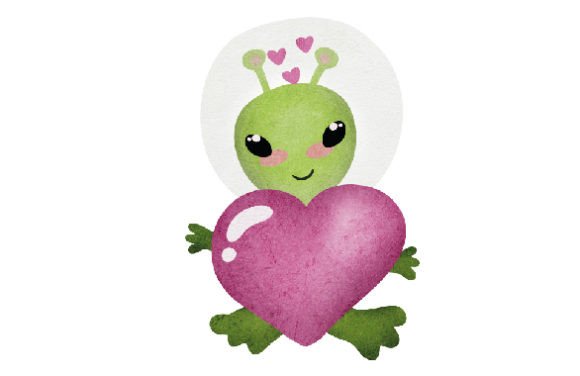
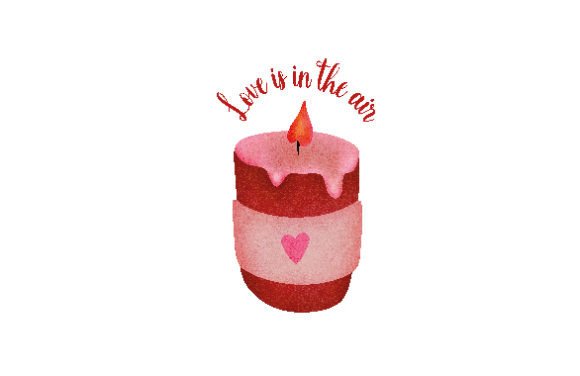
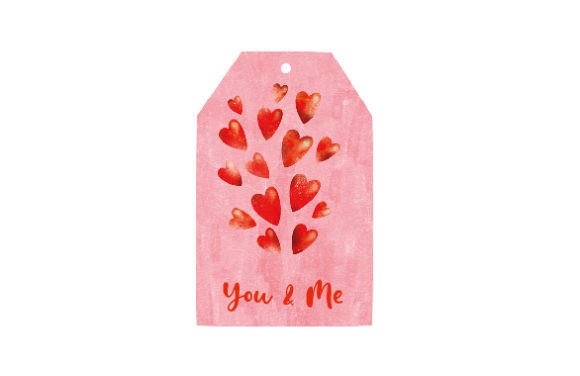
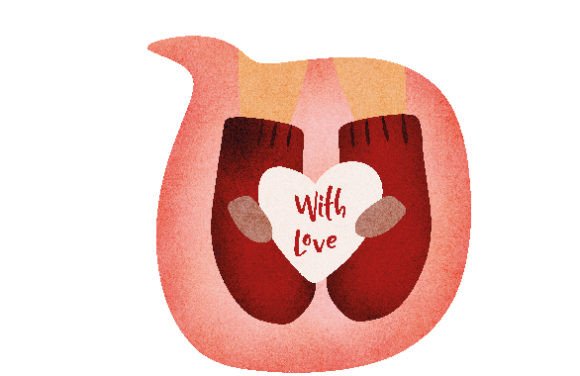
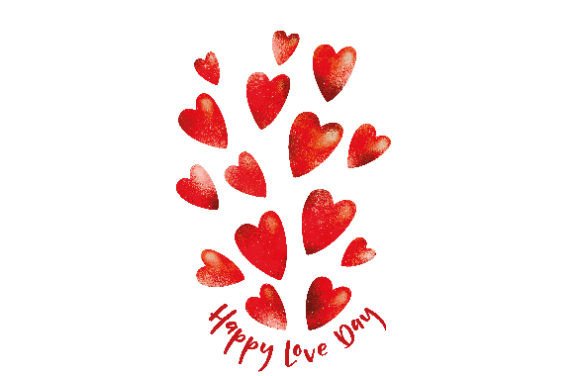
The immediate appeal of Happy Love Day, Watercolor lies in its softness. Unlike traditional bold vector art often seen in holiday embroidery, this design attempts to mimic the fluidity of paint. For a crafter or apparel decorator, this presents a unique opportunity to offer something that feels more like boutique merchandise than standard craft fair fare. The layout typically balances organic shapes with readable typography, creating a mood that is nostalgic yet modern.
However, as an experienced digitizer, I know that watercolor effects in embroidery rely heavily on specific stitch types. This design likely utilizes complex fill stitch patterns with varying densities to create shading, alongside delicate running stitch details for definition. My first impression is positive regarding aesthetics, but cautious regarding production. The visual personality suggests it belongs on natural fibers or soft blends where the thread can settle into the fabric, enhancing the painted illusion rather than fighting against it.
Real-World Application: Stitching a Custom Sweatshirt
To truly evaluate this embroidery file, I mentally placed it in a real-life production scenario: creating a custom embroidered sweatshirt for a client’s Valentine’s Day pop-up shop. Sweatshirts are high-value items, and customers expect durability alongside beauty. In this context, Happy Love Day, Watercolor serves as a strong centerpiece for chest placement or back yoke detailing.
During this hypothetical project, I considered how the design interacts with fleece backing. The watercolor effect requires the stitch density to be light enough to prevent puckering but dense enough to cover the fabric texture. If the design is too heavy, the sweatshirt will feel stiff and armor-like. If it is too light, the fleece will show through, breaking the watercolor illusion. This design appears optimized for medium-weight garments, making it ideal for sweatshirt embroidery and premium custom apparel. For an Etsy seller, this translates to a product that photographs beautifully because the texture reads as intentional artistry rather than flat ink.
Versatility Across Products and Substrates
Beyond apparel, I assessed where else this design adds commercial value. Its romantic theme makes it a natural fit for personalized gift items. I can envision this working exceptionally well on linen pillow covers or cotton tea towels. These substrates have a weave that complements the painterly style, allowing the thread colors to blend optically.
For those running a craft business, versatility is key to ROI. Happy Love Day, Watercolor could easily transition from a February seasonal item to a wedding or anniversary product simply by changing the color palette. Soft pinks and reds scream Valentine’s Day, but shifting to sage greens, dusty blues, or neutral taupes transforms it into year-round nursery decor or bridal shower merchandise. This adaptability makes the digital embroidery file a smarter investment for shop owners who need designs that work across multiple seasons.
I also see potential for tote bag design applications. Canvas totes provide a stable base for detailed stitching. However, because tote bags are functional items subject to wear, the watercolor elements must be secured properly. I would recommend verifying that the design includes adequate underlay or tack-down stitches to ensure longevity.
Critical Considerations for Fabric and Hoop Size
While the design is versatile, there are specific environments where I advise caution. Watercolor-style embroidery is inherently detailed. Using Happy Love Day, Watercolor on highly textured fabrics like terry cloth or thick minky may result in lost detail. The subtle shading relies on visible thread interaction; if the fabric pile swallows the stitches, the design loses its impact. Similarly, stretchy performance fabrics can distort the delicate registration required for this aesthetic unless you use significant stabilization.
Hoop size is another non-negotiable factor. Watercolor designs often require larger fields to maintain clarity. Attempting to resize this design down to a 4x4 hoop might compress the stitch count, causing thread breaks or a bulletproof texture. Always check the original dimensions before purchasing. If you plan to use this for baby embroidery on small onesies, verify that a smaller version exists specifically digitized for that scale, rather than shrinking a large file yourself.
Dark fabrics also present a challenge. Watercolor effects usually assume a white or light background to act as the "paper." On black or navy garments, the design may require a white underlay base, which changes the hand-feel and appearance. Test on scrap fabric first to ensure the contrast meets your quality standards.
Professional Designer Notes for Success
Before listing a finished product for sale or gifting a handmade product, adhere to these professional best practices:
- Test Stitch on Target Fabric: Never assume a digital preview equals physical reality. Run a test on the exact material you intend to sell. Check for puckering, registration shifts, and coverage.
- Evaluate Stabilizer Choices: For watercolor styles, cut-away stabilizer is generally superior to tear-away, as it supports the intricate fill stitches permanently without distorting the edges upon removal.
- Check Thread Color Contrast: View your thread selection in natural light. What looks good on a monitor may lack depth in person. Ensure the shading threads have enough contrast to define the image.
- Review Licensing Terms: Before selling items featuring Happy Love Day, Watercolor, confirm the license allows for commercial use of finished goods. Some designers restrict mass production or digital resale.
- Create Accurate Mockups: When selling online, use a printable mockup that accurately represents the texture of embroidery. Customers appreciate seeing what the stitch-out actually looks like versus a flat digital rendering.
- Inspect Small Details: Zoom in on the digitizing. Are there tiny satin columns that might fray? Is the lettering legible at the intended size? Quality control starts before the needle touches fabric.
Enhancing Brand Value Through Design Choice
Choosing Happy Love Day, Watercolor signals to your customers that you care about current trends and artistic nuance. In a saturated market of generic heart clip-art, a watercolor aesthetic elevates the perceived value of your small shop product. It suggests a level of sophistication that justifies higher price points and builds brand trust.
Furthermore, this style bridges the gap between personal crafting and professional merchandising. Whether you are making a single holiday embroidery keepsake for a friend or stocking an entire collection for a boutique, the design offers emotional resonance. It feels human, imperfect in the right ways, and deeply connected to the sentiment of love.
Ultimately, successful embroidery is about matching the right design to the right application. Happy Love Day, Watercolor is a strong contender for makers willing to pay attention to fabric choice and stabilization. By treating this embroidery project with technical respect, you transform a digital asset into a cherished physical object that celebrates creativity and connection.