Bass Guitar Watercolor: An Embroidery Design Review
As a professional embroidery designer and product reviewer, I approach every new machine embroidery design with a critical eye. It is not enough for a graphic to look beautiful on a screen; it must translate effectively into thread, tension, and texture. When evaluating the Bass Guitar, Watercolor design, my primary focus is on how this artistic interpretation of a musical instrument performs under the needle. This review breaks down the practical realities of stitching this design for real-world projects, from custom apparel to boutique merchandise.
First Impressions and Artistic Translation
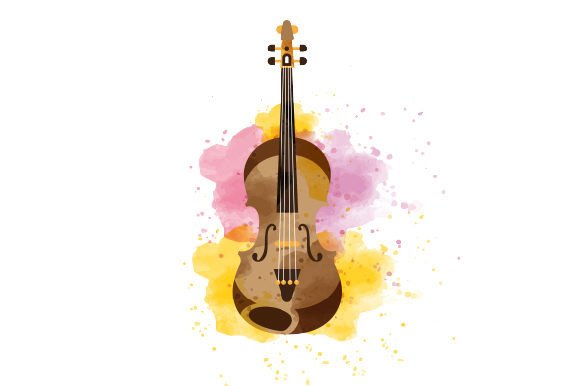
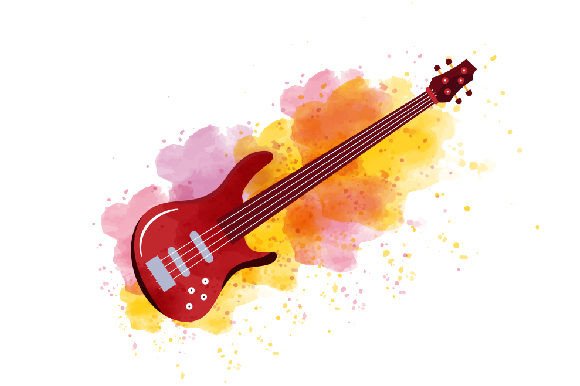
The initial appeal of Bass Guitar, Watercolor lies in its organic aesthetic. Unlike rigid, technical vector art often associated with music themes, this design attempts to capture the fluidity of watercolor paint. For an embroiderer, this presents a unique challenge and opportunity. The mood is nostalgic and creative, making it distinct from standard band logos or clip art. However, translating watercolor effects into stitches requires careful consideration of stitch density and blending techniques.
Visually, the shape of the bass guitar provides a strong silhouette, which is essential for recognition at smaller sizes. The "watercolor" aspect likely utilizes varying fill stitch densities or specialized shading techniques to mimic paint bleeds. As a reviewer, I appreciate designs that respect the limitations of thread while pushing artistic boundaries. This design feels like it belongs on items meant for musicians who value artistry over aggression, fitting perfectly into the broader Music category without being generic.
Real-World Application: Stitching a Custom Tote Bag
To truly evaluate this embroidery file, I mentally simulated a recent client project: creating a personalized canvas tote bag for a bass player attending a summer workshop. Canvas is a sturdy fabric, but it has a distinct weave that can interfere with fine details. In this scenario, Bass Guitar, Watercolor served as the centerpiece.
When hooping the canvas, I had to ensure the design’s center aligned perfectly, as the watercolor effect relies on visual balance. During the test stitch-out, I observed how the thread colors interacted with the natural beige tone of the canvas. Watercolor-style embroidery often uses lighter shades to create highlights; on unbleached canvas, these can sometimes get lost. I found that using a white underlay base helped the pastel and vibrant tones pop, maintaining the integrity of the original artwork. The finished tote bag design felt substantial yet artistic, proving that this file can handle the rigors of functional accessories while retaining its delicate visual personality.
Ideal Projects for Music-Themed Embroidery
Based on the design's structure and vibe, Bass Guitar, Watercolor is versatile but shines brightest in specific applications. For Etsy sellers and small shop owners, understanding where a design performs best is key to reducing waste and increasing customer satisfaction.
- Sweatshirt Embroidery: The relaxed, artistic nature of this design pairs exceptionally well with fleece or French terry fabrics. Placed on the left chest or centered on the back, it creates a high-value custom apparel item that appeals to adult musicians and music students alike.
- Nursery and Baby Items: Because the watercolor style is softer than traditional rock-and-roll imagery, this works beautifully for baby embroidery. A onesie or bib featuring this design makes for a unique personalized gift for musician parents. Ensure you use a soft stabilizer to keep the garment comfortable against sensitive skin.
- Patches and Accessories: If sized correctly, this design can function as an embroidered patch for gig bags or jackets. The distinct outline of the bass guitar ensures readability even when scaled down, provided the internal watercolor details remain legible.
- Home Decor: Pillow covers and tea towels benefit from the decorative aspect of this file. It serves as excellent studio decor or a thoughtful holiday embroidery gift for the bassist in your life.
Technical Cautions and Fabric Considerations
While Bass Guitar, Watercolor is visually striking, it demands respect during production. Not every fabric or hoop size is suitable for this level of artistic detail. As experienced makers know, the difference between a professional finished product and a failed stitch-out often lies in substrate selection.
Avoid High-Pile Textures: Fabrics like terry cloth or deep-pile fleece can swallow the subtle color transitions that define the watercolor effect. If you must use textured fabric, consider adding a topping or choosing a simpler version of the design if available.
Stretchy Knits Require Stabilization: When applying this to performance wear or thin t-shirts, the stabilizer choice is non-negotiable. Watercolor fills can be dense in certain areas to create saturation. Without adequate cut-away stabilization, the fabric may pucker, distorting the guitar's neck or body shape.
Dark Fabric Challenges: Watercolor designs are typically optimized for light backgrounds. Stitching Bass Guitar, Watercolor on black denim or navy sweatshirts may require significant modification or a heavy white underlay to prevent the design from disappearing. Always run a test on dark scraps before committing to a final commercial embroidery run.
Hoop Size Limitations: Do not force this design into a 4x4 hoop if it was digitized for a larger format. Reducing complex shading stitches below their minimum threshold leads to thread breaks and poor coverage. Verify the recommended hoop size before purchasing or stitching.
Impact on Brand Value and Customer Perception
For creative entrepreneurs, the quality of your embroidery directly influences buyer trust. Using a sophisticated design like Bass Guitar, Watercolor signals that your brand understands niche aesthetics. Generic music clip art is everywhere; a curated, artistic interpretation suggests a higher tier of craftsmanship.
This design enhances the perceived value of handmade products. When customers see the nuanced thread work mimicking paint strokes, they recognize the effort and skill involved. This justifies premium pricing for small shop products and helps distinguish your listings in a saturated market. Furthermore, because the design bridges the gap between music gear and art, it broadens your potential audience beyond just musicians to include art lovers and vintage enthusiasts.
Essential Designer Notes Before You Stitch
Before loading this digital embroidery file into your machine, adhere to these professional best practices to ensure success:
- Always Test First: Never stitch directly onto a sellable item without a prior test. Use scrap fabric similar in weight and texture to your final project to check tension and registration.
- Verify Licensing: Confirm whether the embroidery file allows for commercial use. Some designers restrict files to personal projects only. Protect your business by respecting intellectual property rights.
- Check Thread Compatibility: Watercolor effects rely on specific color blending. If substituting threads, compare them physically against the chart. Polyester and rayon reflect light differently, which can alter the "wet paint" look.
- Mockup Realistically: Use printable mockup tools to visualize placement, but remember that digital previews do not show stitch texture. Trust your physical test sew-outs over screen renderings.
- Inspect Small Details: If resizing is necessary, check the smallest elements (like tuning pegs or bridge details). If they become too small for satin stitches, they may need to be removed or converted to running stitches to prevent needle damage.
Bass Guitar, Watercolor is more than just a novelty graphic; it is a test of both digitizing quality and operator skill. When executed correctly on the right medium, it transforms simple textiles into expressive musical art. Whether you are fulfilling a custom order or expanding your inventory of design assets, approaching this file with technical mindfulness will yield results that satisfy both the maker and the musician.