Wellies & Tools Watercolor: An Embroidery Review
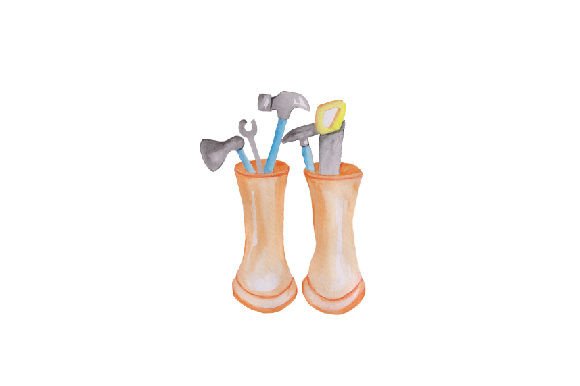
As a professional embroidery designer and product reviewer, I approach every new machine embroidery design with a critical eye toward production reality. When evaluating the "Wellies, with Building Tools - Watercolor" design, my first thought is not just about its aesthetic charm, but how those delicate watercolor gradients will translate into physical thread on fabric. This design captures a specific niche within the Spring category, blending the softness of garden footwear with the rugged utility of construction tools. For Etsy sellers, craft business owners, and makers creating personalized gifts, understanding the technical behavior of this artwork is essential before committing it to a final embroidery project.
First Impressions and Visual Mood
The immediate appeal of Wellies, with Building Tools - Watercolor lies in its juxtaposition. The watercolor style suggests softness, artistic fluidity, and a hand-painted quality that is highly desirable for boutique branding. However, integrating building tools introduces a structural element that requires precise digitizing. In my assessment, the mood strikes a balance between whimsical and industrious, making it an excellent candidate for gender-neutral nursery decor or unique apparel for tradespeople’s families. Unlike standard cartoonish clip art, the watercolor effect relies on subtle color blending. As a reviewer, I look for how well the embroidery file handles these transitions. A poor digitization will result in blocky color changes, whereas a high-quality file uses varying stitch density and thread blending to mimic the transparency of actual paint.
Real-World Application: The Custom Tote Bag Test
To truly judge this design, I mentally place it in a real-life scenario relevant to my current client roster. Recently, I was tasked with creating a line of heavy-duty canvas tote bags for a local gardening and landscaping supply shop. They wanted merchandise that felt artisanal rather than corporate. Wellies, with Building Tools - Watercolor was a top contender for this tote bag design. Canvas provides a stable base for complex designs, but its coarse weave can sometimes swallow fine details.
In this application, the design serves as a focal point centered on the bag. The combination of rain boots and tools resonates perfectly with the target demographic. However, because watercolor styles often utilize lighter fill stitch areas to create shading, I had to consider whether the design would hold up against the textured background. For this specific project, the design worked beautifully because the tools provided necessary visual weight and outline definition, anchoring the softer wellie elements. If you are planning a similar commercial embroidery venture, this design offers high perceived value because it looks custom-illustrated rather than mass-produced.
Technical Performance Across Different Substrates
Versatility is key for any digital embroidery file in a maker's library. Here is how Wellies, with Building Tools - Watercolor performs across various common products:
- Sweatshirt Embroidery: Fleece and French terry fabrics are popular for Spring apparel. The pile of these fabrics can obscure watercolor nuances. When using this design on sweatshirts, the satin stitch outlines on the tools help define the shape against the fuzzy texture. It creates a cozy, high-end custom apparel piece suitable for boutique listings.
- Baby Embroidery: For onesies or bibs, the design’s theme is adorable for a "future builder" or garden-themed nursery. However, baby items require frequent washing. You must ensure the watercolor fill stitches are secure enough to withstand laundering without fraying. The design’s moderate complexity makes it safer than ultra-dense photorealistic embroidery, keeping the garment soft and wearable.
- Embroidered Patch: This artwork translates exceptionally well to patches. The distinct shapes of the wellies and tools allow for clean merrowed edges. As a small shop product, selling iron-on patches featuring this design allows customers to customize their own gear without needing an embroidery machine themselves.
- Holiday Embroidery: While categorized as Spring, the tool aspect makes this viable for Father’s Day or housewarming gifts year-round. The watercolor style elevates it above generic hardware store aesthetics, making it appropriate for sentimental handmade products.
Navigating Fabric Challenges and Limitations
No design is universal, and honest evaluation requires discussing where Wellies, with Building Tools - Watercolor demands caution. Watercolor embroidery is inherently detail-dependent. On dark fabrics, the light pastel threads typical of this style may lack contrast unless you modify the color palette or add an underlay. I advise testing on scrap fabric first if you plan to stitch this on navy or charcoal garments.
Stretchy knits present another challenge. The varying densities required to simulate watercolor shading can cause puckering if the stabilizer choice is inadequate. For stretchy t-shirts, use a high-quality cut-away stabilizer to maintain registration between the tool outlines and the wellie fills. Additionally, be wary of resizing. Watercolor effects rely on specific stitch lengths to create optical color mixing. Shrinking this embroidery file significantly below its intended size may cause the shading to become muddy or the small details of the building tools to merge into indistinguishable blobs. Always check the minimum recommended dimensions before scaling down for caps or sleeves.
Impact on Business Value and Customer Perception
For creative entrepreneurs, design selection directly influences brand consistency and buyer engagement. Wellies, with Building Tools - Watercolor signals a thoughtful curation strategy. It avoids the oversaturated market of generic floral spring designs while still fitting the seasonal trend. When used in printable mockups or digital product previews, the watercolor texture photographs beautifully, stopping the scroll on social media feeds.
From a customer trust perspective, the artistic quality implies professionalism. Buyers associate watercolor aesthetics with higher price points compared to flat vector art. Whether you are selling the finished embroidered patch, the customized tote, or the design assets themselves (if licensed for resale), this visual style supports premium pricing. It bridges the gap between rugged utility and feminine artistry, expanding your potential customer base to include both traditional craft buyers and those seeking unique, non-stereotypical gender-neutral items.
Essential Designer Notes for Production Success
Before hooping your final fabric, adhere to these practical guidelines to ensure Wellies, with Building Tools - Watercolor meets professional standards:
- Verify Licensing: Before listing any finished product or digital file, confirm the specific license terms included with your purchase. Ensure you have commercial rights for the intended use case.
- Test Stitch Density: Run a test sew-out on the exact fabric you intend to use. Check if the watercolor shading gaps are intentional artistic choices or digitizing errors. Adjust pull compensation if gaps appear unintentionally on stretchy materials.
- Thread Color Matching: Watercolor designs often require specific thread shades to achieve the gradient effect. Compare your thread inventory against the design’s color chart. Substitutions can alter the mood drastically; a bright red instead of a muted terracotta can ruin the vintage watercolor vibe.
- Stabilizer Strategy: Match stabilizer weight to the design density. If the building tools section is dense with satin stitches but the wellies are light fills, consider a hybrid stabilization approach or topping to prevent uneven texture.
- Mockup Validation: Create black and white mockups alongside color versions. This helps identify if the design relies too heavily on color for readability. A strong design should still be recognizable in grayscale, ensuring it works for single-color embroidery variations.
Ultimately, Wellies, with Building Tools - Watercolor is a versatile asset for the discerning embroiderer. By respecting its technical requirements and leveraging its unique aesthetic blend, you can create standout products that resonate deeply with customers looking for something beyond the ordinary this Spring.