Watercolor Toy Train for Kids: A Seller's Asset Review
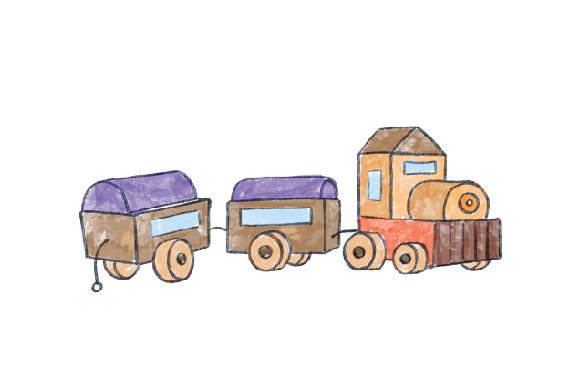
When evaluating a new graphic design asset for my digital product shop, I always look beyond the initial aesthetic appeal to assess its true commercial viability. The Watercolor Toy Train illustration immediately caught my attention as a potential anchor piece for an upcoming kids' collection. My first impression was that this asset strikes a delicate balance between nostalgic charm and modern nursery aesthetics. It does not feel overly cartoonish or cheap; instead, it possesses a soft, hand-painted quality that appeals to parents looking for premium, gentle visuals for their children. For Etsy sellers and print-on-demand entrepreneurs, this specific mood is crucial. It targets the "modern vintage" buyer demographic—a segment willing to pay higher prices for designs that feel curated and artistic rather than mass-produced.
Commercial Viability Across Product Categories
As a digital product creator, I need to know if an asset can pull double or triple duty across different revenue streams. This Watercolor Toy Train is versatile, but its utility depends entirely on the file formats included and the resolution provided. In my testing workflow, I categorized potential applications into three distinct tiers based on how this specific illustration performs.
For printable design products, this asset is a strong contender. The watercolor texture translates beautifully to matte paper stocks, making it ideal for nursery wall art, birthday invitation templates, and thank-you cards. When designing for these items, the soft edges of the train add warmth without competing with essential text information. However, for merchandise like t-shirt designs or mug designs, the application requires more care. Watercolor effects can sometimes appear muddy on dark fabrics unless the PNG design includes a solid white underbase layer. I found this asset works best on white or cream-colored apparel and ceramic substrates where the translucent nature of the paint effect remains visible and vibrant.
For Cricut project enthusiasts and sticker design sellers, caution is necessary. While the visual is stunning, intricate watercolor edges can be a nightmare for cutting machines. If you plan to offer this as an SVG design for vinyl cutting, ensure the file has been properly vectorized with clean nodes. If the edges are too rough or detailed, it will frustrate customers trying to cut adhesive vinyl. In such cases, marketing this strictly as a sublimation design or a digital clipart element for Canva template users is a safer, more customer-friendly business decision.
Strategic Merchandising and Bundle Potential
One of the most profitable ways to leverage this asset is through bundling. A standalone Watercolor Toy Train might sell occasionally, but packaging it as part of a broader "Transportation Nursery" or "First Birthday" design bundle significantly increases perceived value. During my review, I tested this illustration alongside matching elements like railroad tracks, station signs, and conductor hats. The cohesive watercolor style creates a unified brand identity that encourages bulk purchases.
This asset also serves as an excellent hook for seasonal collections. While trains are evergreen for kids, they peak during holiday seasons and back-to-school periods. Using this graphic in social media graphics or promotional visuals can drive traffic to your shop during these high-intent windows. For content creators and bloggers, this illustration provides a non-generic visual anchor for articles about child development, playroom organization, or gift guides, enhancing the professional look of their digital content without licensing stock photography.
Optimizing Listing Images and Customer Trust
In the creative marketplace, your product mockup is often more important than the raw file itself. Customers cannot touch a digital download, so they rely entirely on visual storytelling. When preparing listing images for this Watercolor Toy Train, I focused on context over isolation. Showing the train on a framed print in a styled nursery setting converts better than a plain white background preview. It helps the buyer visualize the end result.
However, transparency builds trust. Always include a zoomed-in crop of the actual PNG design or clipart in your gallery. Buyers need to verify the brush stroke quality and edge definition before purchasing. If the resolution is low or the transparency is messy, negative reviews will follow. I recommend creating a specific listing image that demonstrates the file’s versatility—perhaps showing the train used simultaneously on a greeting card, a tumbler wrap, and a planner sticker. This visual proof validates the commercial license utility and justifies the price point for small business owners who need multi-use assets.
Technical Due Diligence Before Publishing
Before adding this asset to my shop, I run through a non-negotiable technical checklist. Visual appeal means nothing if the file fails in production. Here are the practical steps I take when vetting the Watercolor Toy Train for commercial sale:
- Resolution Verification: I confirm the PNG is at least 300 DPI at the intended print size. Upscaling watercolor later results in pixelation that ruins the handmade aesthetic.
- Transparency Check: I place the file over both black and white backgrounds in Photoshop or Canva. Any gray halos or jagged edges around the train must be cleaned up before selling.
- Color Profile Testing: RGB screens lie. I always do a test print to ensure the colors match what is displayed digitally. Watercolor blues and reds can shift significantly in CMYK printing.
- Font Pairing Strategy: I test the asset with various typography styles. This train pairs exceptionally well with rounded sans-serif fonts for a playful look or elegant serif fonts for a vintage vibe. Avoid heavy, blocky display fonts that overpower the delicate illustration.
- Licensing Audit: I meticulously review the commercial license terms. Can I use this in physical products? Is there a limit on sales units? Can I modify the colors? Clarifying these rights protects my business from legal issues and ensures I am selling ethically.
Risk Assessment and Usage Limitations
While the Watercolor Toy Train is a valuable addition to a digital asset library, it is not universally applicable. Understanding where not to use it is just as important as knowing where it shines. I would avoid using this specific style for tiny details, such as 1-inch planner stickers or intricate cake toppers. The watercolor texture loses its definition at small scales, appearing as a blurry smudge rather than a charming train.
Additionally, be wary of placing this asset on busy or patterned backgrounds. The organic edges of watercolor blend poorly with geometric patterns or high-contrast textures, leading to visual clutter. For product mockups and thumbnails, negative space is your friend. Let the illustration breathe. If you are creating Canva templates for customers, lock the train layer or provide clear instructions on resizing to prevent users from accidentally distorting the aspect ratio, which is a common complaint in digital product reviews.
Finally, consider your niche alignment. While this asset is perfect for kids' products, it may feel out of place in corporate branding or minimalist tech aesthetics. As a seller, maintaining a coherent shop identity is vital. If your shop focuses on edgy streetwear or corporate stationery, this whimsical train will likely confuse your algorithm ranking and dilute your brand authority. However, for those in the nursery decor, education, and family lifestyle niches, this Watercolor Toy Train represents a solid, commercially viable investment that can anchor multiple product lines and enhance your overall catalog depth.