Tropical Christmas Piña Colada: A Stitch Review
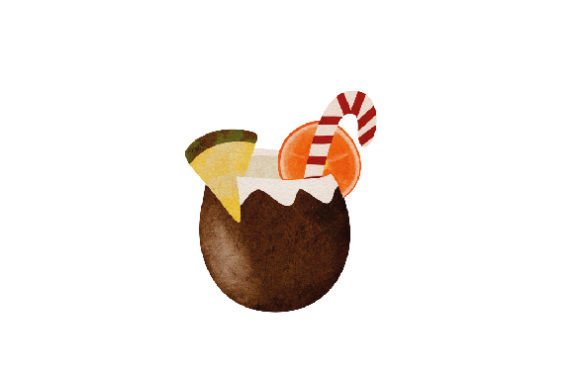
As an embroidery designer who has stitched out countless holiday motifs, I approach the Tropical Christmas - Piña Colada, Watercolor design with a specific set of expectations. The concept itself is a delightful paradox: blending the cozy nostalgia of Christmas with the breezy, vibrant aesthetic of a tropical cocktail. When evaluating this machine embroidery design for real-world application, my primary concern is how effectively the watercolor style translates into thread. Watercolor digitizing is notoriously difficult to execute well; it requires a mastery of stitch density and layering to mimic the fluidity of paint without creating a bulletproof patch of thread that distorts the fabric. Upon reviewing this design, I am looking for that delicate balance where the artistic intent survives the mechanical reality of the embroidery machine.
First Impressions and Visual Personality
The immediate mood of this design is playful sophistication. It avoids the kitschy trap that many novelty holiday designs fall into. Instead of cartoonish clip art, the watercolor rendering suggests a hand-painted original, which elevates the perceived value of any finished product. For a craft business or Etsy seller, this distinction matters. Customers are increasingly savvy; they can distinguish between a generic stock graphic and a thoughtful piece of art. The layout appears organic rather than rigid, which is essential for capturing the liquid movement of a piña colada and the softness of tropical foliage. This visual personality makes it particularly suitable for buyers seeking unique holiday embroidery that feels personal and curated rather than mass-produced.
Real-World Application: The Linen Tote Test
To truly judge the viability of Tropical Christmas - Piña Colada, Watercolor, I mentally placed it in a specific production scenario: a natural linen tote bag intended as a hostess gift or boutique merchandise. Linen is a fantastic canvas for watercolor styles because its slight texture complements the artistic shading, but it is also unforgiving regarding registration errors.
In this context, the design needs to serve as a focal point without overwhelming the utility of the bag. If I were stitching this for a client, I would be assessing whether the fill stitch areas allow the fabric grain to show through slightly, enhancing the watercolor illusion, or if they completely obscure it. A successful tote bag design in this genre must feel lightweight. If the stitch count is too high, the bag will pucker, and the "tropical" vibe will be lost to heavy, dense stitching. This design seems poised to work beautifully on woven naturals, provided the digitizer has utilized variable density techniques to create depth without excessive bulk. For small shop product lines, this versatility allows the same embroidery file to transition from summer resort wear to winter getaway gifts seamlessly.
Navigating Fabric Choices and Stabilization
While linen and cotton canvas are ideal, many makers will want to use this for custom apparel like sweatshirts or t-shirts. Here, practical caution is necessary. Watercolor designs often rely on complex color blending and overlapping stitches. On stretchy knits, this can lead to distortion if the stabilizer choice is inadequate. I strongly advise testing this design on scrap fabric first. For a sweatshirt embroidery project, you may need a heavier cut-away stabilizer than usual to support the intricate shading layers without causing the garment to sag.
Conversely, be wary of using this on highly textured fabrics like terry cloth or thick fleece unless the design includes a knockdown stitch. The delicate details of a watercolor piña colada could easily get lost in the pile of a towel. Similarly, dark fabrics present a challenge. Watercolor effects are typically designed for light backgrounds where the fabric acts as the white paper. Stitching this on black or navy requires either a white underlay base—which changes the hand and drape of the fabric—or selecting a version of the design specifically digitized for dark garments. Always check your thread colors against the actual fabric swatch before committing to a full production run.
Critical Considerations for Small Details
One area where I urge fellow embroiderers to exercise judgment is in resizing. Watercolor styles depend on precise stitch placement to create gradients. Shrinking Tropical Christmas - Piña Colada, Watercolor significantly below its intended size can cause these gradient stitches to merge into muddy blobs. If you need a smaller version for a baby onesie or a cap, verify that the embroidery file has been professionally resized or offers multiple hoop size options. Tiny lettering or fine outlines may disappear or break at reduced scales. For baby embroidery specifically, ensure the back of the design is smooth; complex watercolor shading can sometimes leave rough thread tails that irritate sensitive skin. Using a soft fusible backing after stitching is a best practice for any personalized gift intended for infants.
Commercial Viability and Brand Consistency
For those running an Etsy seller account or a local boutique, this design offers strong commercial potential because it bridges two popular niches. However, professionalism lies in the presentation. Before listing items featuring this design, create accurate printable mockup previews or stitch out physical samples for photography. Digital renderings often fail to capture the sheen and texture of thread, leading to customer disappointment. Showing the actual handmade product builds trust and manages expectations regarding the watercolor effect.
Furthermore, consider how this fits your brand consistency. If your shop specializes in traditional red-and-green Christmas decor, a tropical piña colada might feel out of place. But if your brand focuses on modern, non-traditional holidays or destination weddings, this design asset is a perfect anchor. It signals to your audience that you understand contemporary trends. Just remember to confirm licensing terms before selling. Ensure your purchase includes commercial embroidery rights if you plan to sell finished goods. Respecting intellectual property is foundational to maintaining a reputable craft business.
Designer Notes for Optimal Results
To get the most out of Tropical Christmas - Piña Colada, Watercolor, treat it as a premium element in your workflow. Here are my practical recommendations for success:
- Test Stitch is Mandatory: Never skip this step with watercolor designs. Verify that the color transitions look smooth and not blocky on your chosen material.
- Thread Selection Matters: Polyester threads offer vibrancy and wash fastness, but rayon or matte cotton threads might better replicate the artistic, non-shiny look of actual watercolor paint. Experiment with both.
- Check Density Maps: Use your machine software or editing program to view the density map. Identify any excessively dense spots that might require a needle change or tension adjustment.
- Mockup in Black and White: Viewing the design in grayscale helps you assess contrast and detail clarity independent of color, ensuring the image reads well even without vibrant hues.
- Hoop Selection: Use the smallest hoop possible that comfortably fits the design to maximize fabric tension and registration accuracy.
Ultimately, Tropical Christmas - Piña Colada, Watercolor represents a refreshing departure from standard holiday fare. It challenges the maker to think about texture, fabric interaction, and artistic translation. Whether you are creating a custom apron for a beachside bar's holiday party or a unique pillow cover for a winter sunroom, this design brings a distinctive flair. By approaching it with technical mindfulness and creative intention, you transform a digital file into a tangible piece of art that resonates with customers and recipients alike. The key to mastering this style is respecting the interplay between the digital design and the physical medium, ensuring that the final stitch-out honors the watercolor inspiration while standing up to the rigors of real-life use.