Summer Watercolor: Little Girl Writing Her Book Review
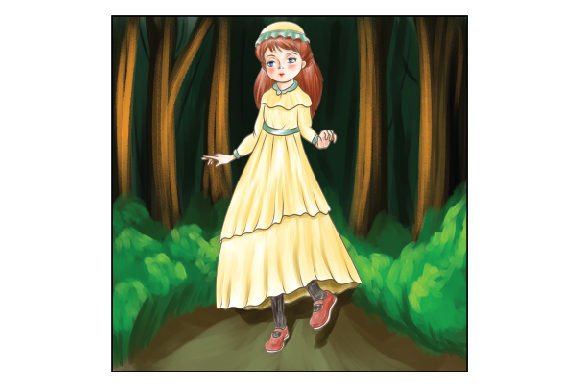
As a digital product creator constantly scouting for assets that convert, my first impression of the Little Girl Writing Her Book, Watercolor graphic was one of nostalgic warmth. This isn't just another generic clipart file; it carries a specific emotional weight that resonates deeply with the back-to-school and summer journaling niches. The watercolor texture feels authentic rather than digitally manufactured, offering a soft, hand-painted aesthetic that appeals to buyers looking for genuine, handmade-style visuals. For sellers on Etsy or Creative Fabrica, this mood is critical. It signals quality and intentionality, distinguishing your listings from the sea of flat vector art currently saturating the market. The visual personality leans towards feminine, gentle, and educational, making it an immediate candidate for products targeting mothers, teachers, and young creatives.
Evaluating Commercial Viability for Digital Products
When I evaluate a graphic design asset for my shop, I look beyond aesthetics to practical application. This illustration serves as a versatile anchor for a summer collection focused on literacy, creativity, and childhood milestones. In a real-world shop scenario, I would position this asset as the centerpiece for a "Young Author" or "Summer Memories" product line. Its commercial value lies in its storytelling capability. Unlike abstract patterns, this illustration provides instant context for the buyer. A customer doesn't have to guess what the product is for; the image of a little girl writing immediately suggests journals, reading logs, or educational printables.
For print-on-demand sellers, this asset translates exceptionally well to merchandise that requires emotional connection. I can visualize this working beautifully on ceramic mug designs for teachers or librarians, where the soft watercolor edges blend seamlessly into the glaze. Similarly, it has strong potential for tote bag prints aimed at book lovers or library volunteers. However, for apparel like t-shirt designs, careful consideration is needed. Watercolors can sometimes look muddy on dark fabrics unless properly underbased. I would recommend testing this specifically on white or cream garments to maintain the integrity of the original artwork's delicate color gradients.
Strategic Applications Across Formats
The true test of any digital download is its adaptability across different file types and end uses. Here is how I would deploy this asset across various product categories:
- Printable Wall Art: This is the most direct application. Paired with elegant serif typography, the Little Girl Writing Her Book, Watercolor becomes a high-value nursery or playroom print. The resolution must be verified at 300 DPI for large-format printing to ensure the brush strokes remain crisp.
- Canva Templates: As a commercial design element, this works perfectly in editable social media templates for literacy coaches or summer camp organizers. The negative space around the figure allows for easy text overlay without obscuring the focal point.
- Planner Stickers: For digital planner users, this asset can be cropped and resized into functional stickers for "journaling days" or "reading goals." Ensure you provide both pre-cropped PNGs and full-size versions for maximum user flexibility.
- Sublimation Designs: Tumbler wraps featuring this theme are highly searchable during late spring and early summer. The vertical orientation of a child sitting fits naturally on curved surfaces, provided the background is transparent or blends smoothly.
- Greeting Cards: Encouragement cards for students or "Happy Summer" notes benefit from this tender imagery. It adds a premium feel that standard stock photos cannot replicate.
Presentation and Mockup Strategy for Higher Conversions
In the competitive landscape of Etsy products and creative marketplaces, your thumbnail determines your click-through rate. This asset excels in presentation because of its inherent focal point. When creating product mockups, avoid cluttered backgrounds. Let the watercolor texture breathe. I have found that placing this type of illustration on textured paper mockups (like kraft or linen) significantly increases perceived value compared to stark white digital backgrounds. It reinforces the "handmade" quality that justifies a higher price point.
For design bundles, use this piece as the hero image. If you are selling a pack of 20 summer school cliparts, feature the Little Girl Writing Her Book, Watercolor prominently in the main listing photo. It acts as the emotional hook, while the other assets serve as supporting elements. This strategy leverages visual hierarchy to guide the buyer’s eye and communicate the bundle's theme instantly. Furthermore, consistent use of this style across your brand identity helps build recognition. Customers who love this specific watercolor technique will return for future releases if they know your shop maintains this aesthetic standard.
Technical Limitations and Risk Mitigation
While this asset is strong, experienced sellers know every file has limitations. Watercolor is inherently organic, which presents challenges for certain production methods. Be cautious when using this for Cricut projects involving vinyl cutting. Intricate watercolor edges do not translate well to cut lines. If you intend to offer an SVG design version, simplify the silhouette significantly or offer it strictly as a printable layer rather than a cut file. Do not promise clean weeding lines on complex watercolor splashes; this leads to customer frustration and negative reviews.
Additionally, watch out for contrast issues. On dark backgrounds, the lighter washes of the watercolor may disappear entirely. Always test your PNG design on both light and dark canvases before listing. If the transparency isn't clean, spend time refining the mask. Jagged edges around hair or book pages are a hallmark of low-quality digitization and will hurt your reputation as a professional seller. Also, verify the commercial license terms explicitly. Just because an asset is beautiful doesn't mean it allows for unlimited POD sales or template redistribution. Protect your business by confirming usage rights before scaling production.
Seller Checklist Before Publishing
To ensure this asset performs as a profitable digital product, run through this practical validation list:
- Resolution Check: Confirm the file is at least 4000px on the shortest side for print viability. Upscaling watercolor often results in pixelation that ruins the painterly effect.
- Font Pairing Test: Preview the asset with at least three font styles: a playful handwritten font for kids' products, a classic serif for wall art, and a clean sans-serif for modern stationery. Ensure the typography complements rather than competes with the illustration.
- Transparency Verification: Zoom in to 100% and inspect the edges. Remove any stray artifacts or gray halos that might appear when printed on colored paper.
- Mockup Diversity: Create previews showing the asset in use (e.g., on a mug, in a frame, on a shirt) and as a standalone digital file. Buyers need to see both the dream and the deliverable.
- Keyword Alignment: Ensure your tags match the visual reality. If the girl looks vintage, tag "vintage." If she looks modern, tag "modern." Misleading tags based on broad summer terms will increase bounce rates.
- Bundle Potential: Identify five other assets in your inventory that share the exact same color palette and brush style. Cross-linking these creates a cohesive ecosystem that encourages multi-item purchases.
Ultimately, the Little Girl Writing Her Book, Watercolor is a high-potential asset for sellers who understand niche marketing. It bridges the gap between seasonal trends and evergreen educational themes. By respecting the technical nuances of watercolor media and presenting it with professional intentionality, you can transform this single clipart element into a cornerstone of a successful small business branding strategy. Success in this space isn't about having the most files; it's about curating assets that solve specific creative problems for your customers while maintaining a distinct, sellable aesthetic.