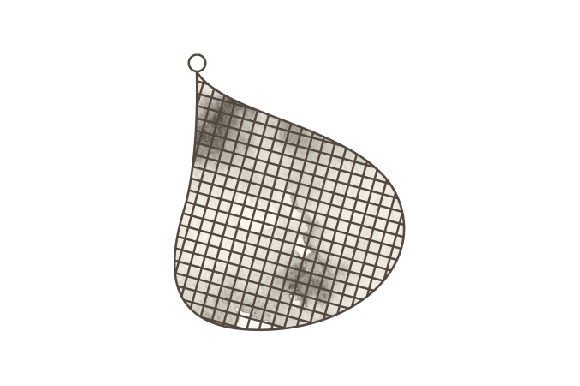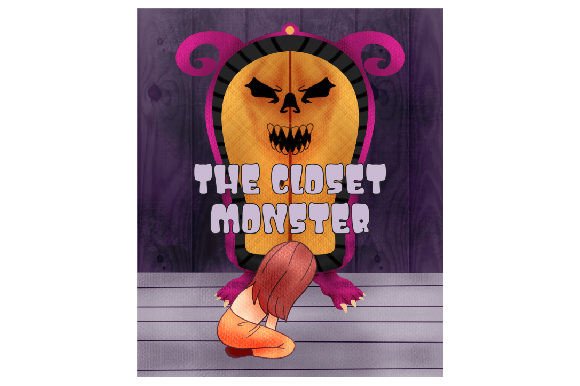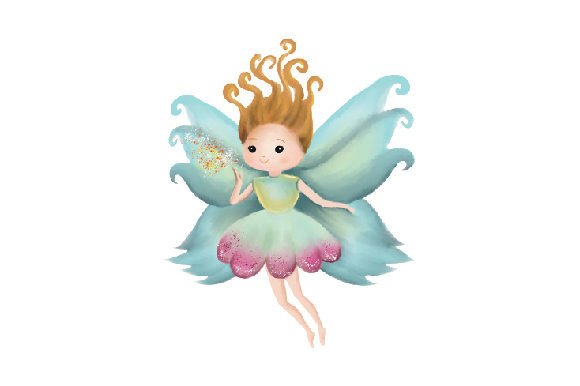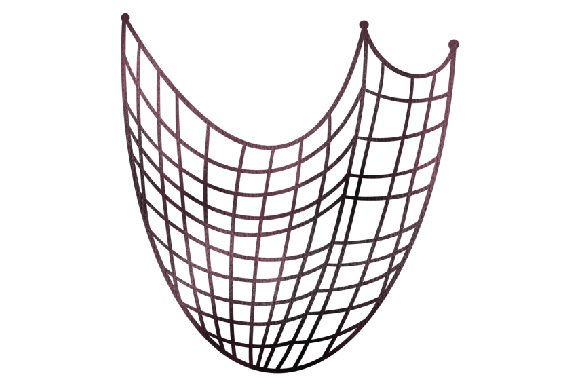
Reviewing The Fishnet Trap Watercolor Design
As a professional embroidery digitizer and product reviewer, I approach every new machine embroidery design with a critical eye. It is not enough for a file to simply look beautiful on a screen; it must perform under the needle. When evaluating The Fishnet Trap, the Forest Adventures_The Fishnet Trap, the Forest Adventures, Watercolor, my primary focus is translating digital artistry into tangible, high-quality stitched goods. This design falls within the Fairy Tales category, suggesting a narrative depth and whimsical aesthetic that appeals strongly to specific niches in the handmade market. However, watercolor-style embroidery files present unique challenges regarding stitch density and fabric compatibility that require careful consideration before committing to a production run.
First Impressions and Aesthetic Versatility
Upon opening the embroidery file, the immediate impression is one of organic softness. Unlike rigid vector-based designs, this watercolor interpretation relies on nuanced shading and blended thread colors to create depth. The visual personality feels nostalgic and storybook-inspired, making it an excellent candidate for projects that demand emotional resonance rather than bold graphic impact. For an Etsy seller or boutique owner, this aesthetic signals "handmade" and "artisanal" instantly. It avoids the plastic-like sheen of overly dense satin stitches, instead utilizing complex fill stitches and running stitch overlays to mimic brushwork.
This mood dictates its best applications. While it could technically be placed anywhere, the design naturally belongs on items associated with comfort, childhood, or nature. I can immediately visualize this as a centerpiece for nursery decor, a sentimental baby gift, or a literary-themed tote bag. The layout appears balanced enough to serve as a standalone motif without requiring excessive additional text or embellishment, which preserves the integrity of the original artwork.
Real-World Application: Stitching a Custom Tote Bag
To truly judge the viability of The Fishnet Trap, the Forest Adventures_The Fishnet Trap, the Forest Adventures, Watercolor, I mentally simulate a real client project. Let’s consider a custom canvas tote bag intended for a library fundraiser or a forest-themed wedding favor. Canvas is a textured fabric, which can sometimes swallow fine details in watercolor embroidery. In this scenario, I would be assessing whether the design retains its clarity against the weave of the material.
For a tote bag design of this nature, the stitching order is paramount. Watercolor effects often require multiple thread changes and layering. If the design uses a light base followed by darker shading runs, the registration must be perfect. Any misalignment on a textured surface like canvas will break the illusion of painted fabric. As a maker, I would verify if the digitizer has included adequate underlay to stabilize the canvas before the decorative top stitching begins. Without proper foundational support, the watercolor effect can distort, turning a dreamy forest scene into a puckered mess. Successfully executing this on a tote elevates the perceived value of the item significantly, transforming a simple utility bag into a collectible piece of art.
Navigating Fabric Choices and Stabilization
Not all substrates are created equal when working with intricate Fairy Tales motifs. Based on the characteristics typical of watercolor digitizing, here is where you should exercise caution:
- Stretchy Fabrics: Knits and jersey materials used for sweatshirt embroidery or baby clothes require exceptional stabilization. The fluid nature of watercolor stitches can cause tunneling if the fabric shifts. Always use a cut-away stabilizer and consider a topping to prevent stitches from sinking into the pile.
- Dark Fabrics: Watercolor designs often rely on lighter threads blending into white or neutral backgrounds. On dark fabric, these subtle gradients may disappear unless the design includes a solid white underbase. Check your preview carefully; you may need to edit the file or choose a lighter garment color to maintain contrast.
- Sheer or Thin Materials: High stitch density areas required for color saturation can puncture delicate fabrics. Test on organza or voile scraps first. You might need to reduce density or select a smaller hoop size to avoid structural damage.
- Curved Surfaces: Placing this design on a cap or curved sleeve is risky. Watercolor shading assumes a flat plane. Distortion on curves can alter the image proportions. Flat items like pillow covers, aprons, and tea towels are safer bets for maintaining artistic accuracy.
Commercial Viability and Customer Perception
For creative entrepreneurs and small shop owners, the decision to use The Fishnet Trap, the Forest Adventures_The Fishnet Trap, the Forest Adventures, Watercolor extends beyond aesthetics to business strategy. Customers purchasing personalized gifts or holiday embroidery items are looking for uniqueness. A watercolor style differentiates your products from mass-produced alternatives. It suggests a level of care and sophistication that justifies a higher price point.
However, professionalism hinges on execution. If the final product shows poor registration or thread breaks due to excessive jumps, customer trust erodes instantly. Before listing any finished product, create physical samples. Do not rely solely on digital mockups. While a printable mockup is useful for Etsy listings, it cannot convey the tactile reality of the stitch texture. Photographing the actual embroidered sample builds buyer confidence and reduces return rates. Furthermore, ensure you understand the licensing terms attached to the digital embroidery file. Confirm whether you have rights for commercial embroidery on physical goods versus selling the digital assets themselves. Clarity here protects your business legally and ethically.
Essential Designer Notes for Success
Before hooping your good fabric, adhere to these practical guidelines to ensure The Fishnet Trap, the Forest Adventures_The Fishnet Trap, the Forest Adventures, Watercolor performs as intended:
- Verify Specifications: Since exact stitch counts and hoop sizes vary by format, always check the technical data provided with your download. Ensure your machine supports the required hoop dimensions and color count.
- Test on Scrap Fabric: Never skip this step. Use a scrap that matches your final project's weight and texture. Evaluate the drape and stiffness after stitching. Watercolor designs can become stiff; if the result feels like armor, adjust your tension or density settings.
- Audit Thread Colors: Monitor how your specific thread brand interprets the design's palette. Variegated threads might enhance the watercolor effect or clash with it. Solid threads usually offer more predictable blending for this style.
- Check Small Details: Inspect tiny elements like facial features or fine netting lines. If they are too small to stitch cleanly at your chosen size, consider resizing up or editing out problematic elements. Legibility trumps fidelity.
- Stabilizer Selection: Match your stabilizer to the fabric, not just the design. For woven cottons in craft business projects, tear-away may suffice, but for apparel or stretchy knits, cut-away is non-negotiable to prevent distortion over time.
- Wash Testing: If creating baby embroidery or kitchen linens, wash and dry your test sample. Watercolor fills can sometimes pull or gap after laundering. Pre-washing your base fabric also prevents shrinkage issues post-embroidery.
Ultimately, The Fishnet Trap, the Forest Adventures_The Fishnet Trap, the Forest Adventures, Watercolor offers a rich opportunity for makers to create emotionally engaging, visually distinct products. By respecting the technical demands of watercolor digitizing and validating the design through rigorous testing, you can confidently integrate this Fairy Tales motif into your commercial or personal repertoire. Whether destined for a cherished baby blanket or a best-selling tote bag, success lies in the marriage of artistic vision and technical precision.