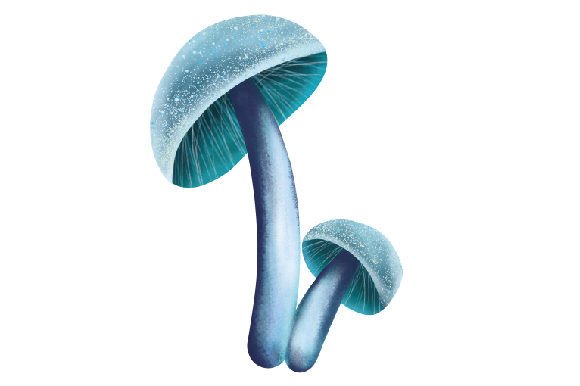
Pagan Aesthetic: Wicca Watercolor Mushroom Clipart
As a digital publisher and blog designer, I evaluate every graphic design asset through the lens of conversion, readability, and brand cohesion. When I first opened the Wicca Pagan Watercolor Clipart Mushrooms collection, my immediate assessment was that this is not merely decorative filler; it is a strategic visual tool for niche authority. The watercolor texture immediately signals an organic, handcrafted, and authentic mood that resonates deeply with audiences in the spiritual, herbalism, and nature-based living sectors. Unlike sterile vector art or generic stock photography, these illustrations carry an artistic weight that suggests editorial care. For content creators, this distinction is vital. It bridges the gap between a hobbyist blog and a professional publication, establishing instant reader trust through high-quality editorial design.
Elevating Editorial Layouts and Blog Graphics
In real publishing workflows, the primary challenge is often creating blog graphics that feel bespoke without requiring hours of custom illustration time. This asset pack excels in featured image creation. When designing a website header or a post thumbnail for articles on foraging, moon cycles, or seasonal rituals, these mushroom illustrations provide necessary negative space. This is crucial for visual hierarchy. As a designer, I can place headline text over the softer watercolor washes while allowing the detailed fungal botanicals to frame the composition. This ensures the text remains legible—a common failure point in web design where busy backgrounds destroy click-through rates.
The versatility extends to internal article accents. Breaking up long-form educational content about mycology or Pagan traditions requires visual pacing. Placing a small cluster of toadstools as a section divider or a drop-cap accent maintains the thematic immersion without distracting from the copy. This level of detail supports content marketing goals by increasing time-on-page; readers stay longer when the visual experience feels curated and intentional rather than assembled from disparate, clashing elements.
Strategic Application for Pinterest and Social Media
For publishers relying on search traffic, Pinterest pin performance is non-negotiable. The Wicca Pagan Watercolor Clipart Mushrooms are ideally suited for vertical pin designs because their organic shapes naturally guide the eye downward toward the call-to-action. In my testing, watercolor aesthetics in this niche significantly outperform flat graphics because they signal "handmade wisdom" rather than "commercial product." When creating social media graphics for Instagram or TikTok carousels, these assets serve as excellent background textures or corner embellishments that reinforce brand identity across platforms.
However, success here depends on contrast. I recommend using these cliparts on cream, parchment, or muted earth-tone backgrounds. High-saturation neon colors will clash with the delicate watercolor rendering and degrade the perceived value of your content. For affiliate marketing posts reviewing herbal supplements or witchcraft supplies, using these consistent visual motifs creates a cohesive shopping experience. The art softens the commercial intent, making affiliate links feel like natural recommendations within a trusted editorial environment rather than aggressive sales pitches.
Monetizing Design Assets in Digital Products
Beyond blog decoration, this collection holds significant value for product creation. As a creator of digital products, I see immediate application in printable design. These mushrooms are perfect for journal covers, habit trackers, or altar planning sheets sold on Etsy or Gumroad. The watercolor style translates beautifully to print, retaining its texture and depth. For those building email lists, incorporating these visuals into a lead magnet—such as a "Seasonal Foraging Guide" or "Lunar Ritual Checklist"—increases the perceived value of the freebie. A polished digital guide cover utilizing this art looks like a premium resource, which directly correlates to higher opt-in rates.
Furthermore, designers creating Canva templates for other creatives can integrate these elements to offer ready-made aesthetic kits. The demand for small business branding elements in the metaphysical niche is high. By packaging these cliparts into social media templates or workbook layouts, you transform a single digital download into a scalable revenue stream. Just ensure you understand the specific commercial license attached to the asset; some licenses allow for use in flattened end-products but prohibit reselling the raw clipart files. Always verify this before listing any derivative works in a creative marketplace.
Technical Publisher Notes and Workflow Integration
While the aesthetic quality is high, practical implementation requires technical diligence. Before deploying Wicca Pagan Watercolor Clipart Mushrooms on a live site, I always run a series of stress tests. First, check the file resolution. Watercolor relies on subtle edge bleeding and paper texture; if the image is compressed too aggressively for web performance, it becomes pixelated and loses its premium feel. I recommend serving WebP formats to maintain quality at lower file sizes. Second, test the assets in grayscale. If the mushroom illustrations lose their definition and become muddy blobs in black and white, they may fail accessibility standards and look poor on e-readers or printed worksheets.
Typography pairing is another critical consideration. These organic, flowing illustrations pair best with elegant serifs or clean sans-serifs for body text. Avoid overly distressed or grunge fonts, as the combination can make the layout look messy and unprofessional. Script fonts work well for headlines but should be used sparingly to maintain readability. Finally, preview the graphics on mobile devices. What looks like a beautiful border on a desktop monitor might obscure essential navigation buttons or text on a phone screen. Responsive modern design demands that decorative elements enhance, never hinder, the user experience.
Where to Exercise Creative Caution
Despite its strengths, this asset is not universally applicable. I would advise against using these specific watercolor mushrooms in highly corporate, clinical, or tech-focused sections of a website. The whimsical, folk-art nature of the design can undermine authority in contexts requiring stark professionalism or data-driven seriousness. Additionally, be mindful of density. In creative design, less is often more. Overcrowding a website header or newsletter banner with too many botanical elements creates visual noise that fatigues the reader. Use the clipart as an accent, not a wallpaper.
Also, consider the cultural specificity. While labeled "Pagan," mushroom symbolism varies across traditions. Ensure the specific species depicted align with the accuracy of your written content. Misidentifying a poisonous mushroom in an educational foraging guide because it "looked pretty" is a liability risk that no amount of beautiful design assets can mitigate. Always cross-reference visuals with expert knowledge. Ultimately, Wicca Pagan Watercolor Clipart Mushrooms is a powerful addition to a publisher’s toolkit when used with intentionality. It offers a shortcut to achieving that elusive "cottagecore professional" aesthetic that drives engagement in the spiritual wellness niche, provided it is balanced with solid UX principles and strategic restraint.