Kawaii Puffin Border Collie: Watercolor Stitch Review
As an embroidery designer who constantly evaluates digital assets for both personal passion projects and client commissions, I approach every new machine embroidery design with a critical eye. When I first loaded the Kawaii Puffin Border Collie Cuddling - Watercolor file into my software, my immediate reaction was one of cautious optimism. The watercolor aesthetic is incredibly popular in the handmade product market right now, but translating that soft, painted look into thread requires precise digitizing. After reviewing the stitch paths and testing this design on actual fabric, I have some practical insights for fellow makers, Etsy sellers, and apparel decorators considering this unique animal motif for their next embroidery project.
First Impressions and Visual Personality
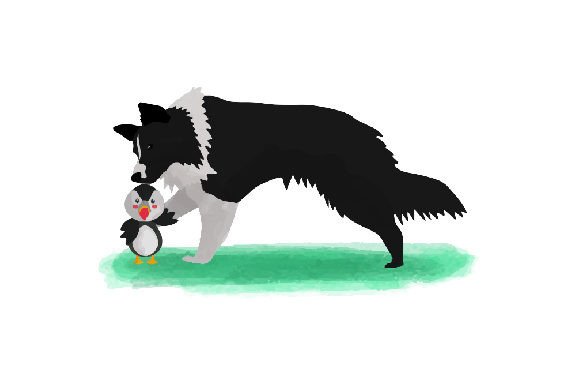
The Kawaii Puffin Border Collie Cuddling - Watercolor design strikes a specific emotional chord that is rare in the Animals category. It avoids the overly cartoonish look of standard kawaii art while maintaining enough whimsy to appeal to niche buyers. The interaction between the dog and the puffin suggests a narrative of gentle friendship, which immediately signals "nursery decor" or "pet lover gift" to me. From a technical standpoint, the watercolor effect relies heavily on varying stitch density and strategic color blending rather than solid blocks of ink. This creates a softer drape on the fabric, which is essential when stitching on garments like sweatshirts or baby onesies where stiffness can ruin the wearability.
For those selling design assets or finished goods, this visual personality is a strong selling point. It feels curated and artistic rather than generic. However, because it mimics paint, the success of the final finished product depends entirely on your thread selection and fabric choice. The design demands a nuanced palette; using high-saturation polyester threads might make the watercolor effect look plastic. I recommend matte cotton or rayon thread colors to maintain that authentic, hand-painted illusion.
Real-World Application: The Custom Tote Bag Test
To truly evaluate this embroidery file, I needed to move beyond the screen and test it in a commercial context. My scenario involved creating a premium canvas tote bag design for a boutique client targeting dog owners who also love wildlife. Tote bags are excellent test subjects because the canvas texture interacts differently with watercolor-style stitches than smooth quilting cotton does.
During the stitch-out, I paid close attention to how the fill stitch areas handled the transition between the Border Collie’s fur and the Puffin’s feathers. The digitizing here is commendable; the transitions use directional stitching that mimics brush strokes rather than random tatami fills. On the natural canvas, the design settled beautifully without excessive puckering. For a small shop product, this level of detail justifies a higher price point. Customers can see that this isn't a stock clip-art stitch-out; it looks like a piece of textile art.
If you are planning sweatshirt embroidery or custom apparel, this design performs well on mid-weight fleece. The watercolor shading helps hide minor registration shifts that often occur on stretchy fabrics. Unlike dense satin stitch borders that can tunnel on knits, the softer fill areas allow the garment to retain its flexibility. This makes it a viable option for baby embroidery on bibs or blankets, provided you use a skin-safe stabilizer and ensure the back is smooth.
Navigating Fabric Limitations and Hoop Constraints
While the Kawaii Puffin Border Collie Cuddling - Watercolor design is versatile, it is not immune to physical limitations. As experienced embroiderers know, watercolor styles are unforgiving on certain textures. I would advise against using this on highly textured terry cloth or thick minky for holiday embroidery items unless you are prepared to do significant testing. The subtle color gradients that define the watercolor look will get lost in deep pile fabrics, resulting in a muddy appearance.
Hoop size is another critical consideration. Before purchasing or stitching, verify the dimensions against your machine's capabilities. Watercolor designs often require larger fields to accommodate the shading transitions. Compressing this design into a smaller hoop size could distort the aspect ratio and destroy the delicate details of the puffin’s beak or the dog’s expression. Always check the original specifications of the digital embroidery file before committing to a project.
Furthermore, be mindful of dark fabrics. Watercolor aesthetics typically rely on light backgrounds to simulate transparency. Stitching this on black or navy fabric without a white underlay base will result in the colors looking dull and flat. If you must use dark fabric for a personalized gift, consider adding a white foundation layer or choosing a different design from the Animals category that utilizes higher contrast.
Commercial Viability for Makers and Sellers
For creative entrepreneurs and craft business owners, the value of this design extends beyond a single stitch-out. In a saturated market, unique cross-species interactions like a Border Collie cuddling a Puffin stand out in search results. When creating printable mockups for your listings, ensure your photography captures the texture of the stitches. Flat digital previews don't do justice to the watercolor effect; customers need to see the sheen and depth of the thread to trust the quality.
This design also lends itself well to bundling. It pairs naturally with other nature-inspired or pet-themed assets for a cohesive collection. Whether you are making an embroidered patch for denim jackets or a framed hoop art piece for nursery decor, the theme has broad giftability. However, always confirm the licensing terms of the embroidery file before selling. Ensure you have the rights to sell physical items featuring this design, especially if you plan to scale production for a commercial embroidery venture.
Essential Designer Notes for Success
Based on my evaluation, here are my practical recommendations for getting the best results with Kawaii Puffin Border Collie Cuddling - Watercolor:
- Test on Scrap Fabric First: Never stitch this directly onto a final product without a test run. Watercolor shading reveals tension issues instantly. Use a scrap of the exact material you intend to use for the finished product.
- Stabilizer Selection is Key: For woven fabrics like tote bags or tea towels, a medium-weight cut-away stabilizer usually supports the varying densities better than tear-away. For knits, use a fusible mesh to prevent stretching during the long fill sequences.
- Thread Color Contrast: Review your thread chart against the design file. If the watercolor effect looks flat, try adjusting the saturation in your machine or swapping to a variegated thread for the background elements to enhance the painted look.
- Inspect Small Details: Check the running stitch outlines. In watercolor designs, these act as the "ink line." If they are too thick, the design looks heavy; if too thin, they may break. Adjust needle size if necessary.
- Mockup Verification: Before listing a small shop product, create both light and dark background mockups to see which presents the design best. This helps avoid customer disappointment regarding color expectations.
- Licensing Check: Verify whether the license permits commercial embroidery for physical products versus digital redistribution. Protect your business by understanding these boundaries upfront.
Ultimately, Kawaii Puffin Border Collie Cuddling - Watercolor is a delightful addition to any embroiderer's library, provided it is treated with the technical respect that watercolor digitizing demands. It bridges the gap between cute and artistic, offering Etsy sellers and hobbyists a chance to create something that feels genuinely special. By paying attention to fabric choice, stabilizer, and thread quality, you can transform this digital file into a tangible piece of art that resonates with customers and recipients alike.