Camping Tent Watercolor for Commercial Design
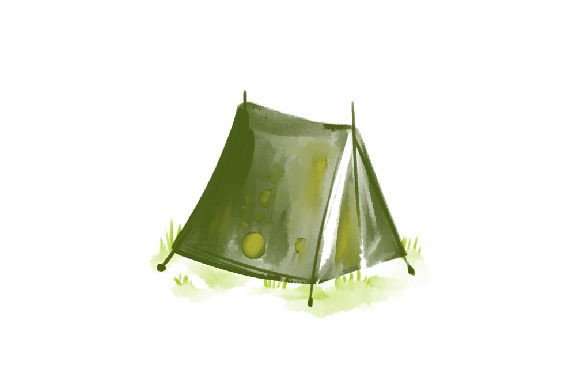
As a digital product creator who has launched multiple seasonal collections on Etsy and Creative Fabrica, I approach every new graphic design asset with a specific question: will this actually sell? When evaluating a Camping Tent Watercolor illustration for my upcoming outdoor-themed shop update, I am not just looking at the artistic merit. I am analyzing its commercial viability across print-on-demand platforms, digital download listings, and physical merchandise. The first impression of this specific watercolor tent asset suggests a soft, nostalgic aesthetic that leans heavily into the "glamping" and family adventure niche rather than rugged survivalism. This distinction is critical for targeting the right buyer persona.
The visual personality of this Camping Tent Watercolor feels hand-painted and organic, which immediately signals value to customers seeking authentic, non-corporate designs. In the current creative marketplace, buyers are often fatigued by sterile vector art. A watercolor texture provides that handmade business appeal that performs exceptionally well in the stationery and nursery decor categories. However, as a seller, I must verify that the edges are clean enough for various applications and that the color palette is versatile enough to pair with trending fonts and other design assets. My evaluation process involves testing this asset in real-world scenarios before it ever hits a listing thumbnail.
Evaluating Versatility Across Digital and Physical Products
Before adding this Camping Tent Watercolor to my inventory, I run it through a gauntlet of potential product applications. A single illustration must justify its purchase price by being usable in multiple formats. For my shop, I test this asset specifically for sublimation design and printable wall art first. Watercolors can sometimes lose their vibrancy when printed on fabric or matte paper, so I print a test swatch to ensure the colors remain rich. If the tent illustration holds up on a 20oz tumbler wrap and an 8x10 art print, it passes the first quality check.
For digital sellers focusing on templates, I import the PNG design into Canva to see how it functions within editable layouts. Does it work as a header for a camping checklist? Can it serve as a decorative element on a wedding invitation template for an outdoor ceremony? The transparency of the file is paramount here. I have encountered many clipart bundles where the background removal was sloppy, leaving white halos that ruin dark backgrounds. This Camping Tent Watercolor must have pristine transparency to be viable for Canva template sellers and social media graphics creators who need drag-and-drop simplicity.
I also evaluate its potential for Cricut project usage. While watercolors are raster-based, many crafters want to use them in hybrid projects. I check if the illustration has distinct color blocks that could be traced into an SVG design for layered vinyl applications. Even if the primary file is a PNG, understanding its cut-ability helps me write better listing descriptions and target keywords like "sticker design" or "planner embellishment." If the details are too muddy for cutting, I pivot to marketing it strictly as a sublimation or digital paper element to avoid customer frustration and negative reviews.
Strategic Merchandising and Listing Presentation
An asset is only as good as its presentation. When preparing this Camping Tent Watercolor for sale, I focus heavily on mockup previews. Customers cannot touch a digital download, so the product mockup must bridge the gap between imagination and reality. I place this tent illustration on realistic textures like kraft paper, linen, and uncoated cardstock to emphasize its organic nature. For print-on-demand products, I avoid generic flat-lay mockups and instead use lifestyle images that evoke the feeling of being outdoors. This visual storytelling increases perceived value and click-through potential significantly.
Bundling strategy is another key consideration. A standalone Camping Tent Watercolor might sell for a lower price point, but including it in a comprehensive camping design bundle increases average order value. I assess whether this tent pairs visually with other elements like pine trees, campfires, or hiking boots. Consistency in brush stroke style and color temperature is essential for brand identity within a collection. If this tent looks disjointed from my existing forest assets, it will confuse buyers looking for cohesive scrapbooking kits or themed party supplies. I only proceed if it strengthens the overall visual hierarchy of the collection.
Thumbnail appeal is the final gatekeeper. On a crowded Etsy search results page, this illustration needs to be legible at small sizes. I zoom out to 20% to see if the tent shape remains recognizable against a white background. Complex watercolor details often disappear in thumbnails, so I may need to boost contrast or saturation specifically for the listing image while keeping the original file true to its soft aesthetic. This dual-version approach ensures high visibility without misrepresenting the actual digital product.
Technical Limitations and Seller Precautions
Despite its charm, there are specific scenarios where this Camping Tent Watercolor requires caution. It is generally unsuitable for tiny sticker details or intricate die-cut labels. Watercolor bleeds and soft edges do not translate well to sub-2-inch formats where precision is required. Similarly, I would hesitate to use this for text-heavy templates where readability is paramount; the texture can compete with body copy, making it better suited for headers or background accents. Sellers must be honest about these limitations in their product descriptions to manage customer expectations and reduce support tickets.
Color management is another technical hurdle. Screen RGB colors rarely match CMYK print output perfectly, especially with watercolors. Before publishing, I always perform a hard proof print. If the greens look neon or the browns appear muddy on paper, I adjust the file specifically for the print version included in the download. Providing both a vibrant screen-optimized PNG and a print-adjusted version adds immense value for commercial design buyers who plan to create physical merchandise. This extra step differentiates professional shops from amateur uploads.
Licensing clarity is non-negotiable. When reviewing this asset, I confirm exactly what the commercial license permits. Can buyers use this Camping Tent Watercolor on unlimited print-on-demand products, or is there a cap? Are they allowed to incorporate it into digital templates for resale? Ambiguity kills sales. I ensure my listing clearly states whether this is for personal use, small business branding, or full commercial distribution. Clear licensing builds trust and protects both the creator and the end-user from legal issues down the line.
Final Verdict for Creative Entrepreneurs
After thorough testing, this Camping Tent Watercolor proves to be a strong contender for shops targeting the outdoor lifestyle, nursery decor, and seasonal stationery niches. Its strength lies in its emotional resonance and versatility across sublimation, digital planning, and template creation. However, success depends entirely on proper execution: verifying resolution, testing print colors, creating compelling mockups, and setting clear usage boundaries. For Etsy sellers and POD entrepreneurs willing to put in this validation work, this asset offers a genuine opportunity to expand their catalog with a high-quality, commercially relevant illustration. It is not a magic bullet, but a solid foundation for profitable creative products when applied with strategic intent.